

 By Admin |
 October 3, 2026
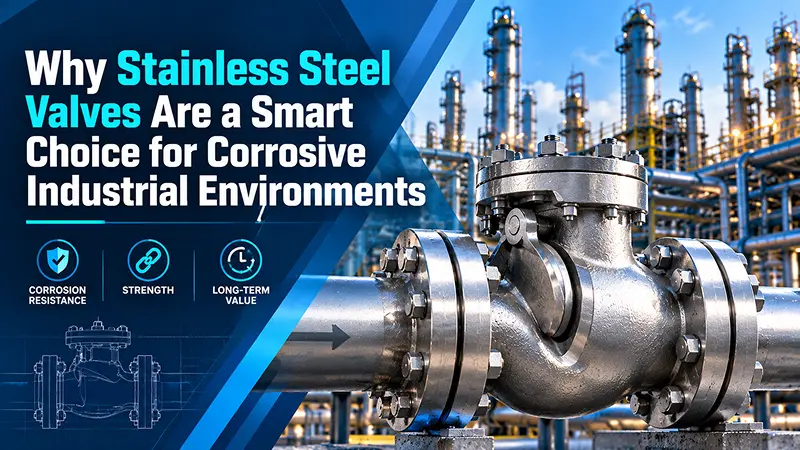
Valves used in industries tend to have contact with water, chemicals, gases and other fluids during their working processes. Choosing the wrong valve material in a corrosive environment can cause rusting, leakage, extra maintenance and premature valve replacement. Valves made of stainless steel are preferred in suitable conditions due to their corrosion resistance, strength and durability.
For industries like chemical processing, oil & gas, pharmaceuticals and water treatment, material choice is one of the significant elements while designing a reliable piping system. Understanding the advantages of stainless steel will assist you in making the right choice while comparing Stainless Steel Valve Manufacturers in India.
When metal reacts with its surroundings, it is gradually damaged by corrosion. Valves may be compromised by moisture, chemicals, salts and some processing fluids.
When corrosion occurs in the sealing area or moving parts, it could compromise the valve's functioning. This can lead to maintenance jobs, disruptions to production and extra operating expenses.
Chromium is a constituent of stainless steel and helps to produce a thin protective oxide layer on the surface. This layer provides corrosion resistance, but the level of resistance will vary depending on the type of valve and the environment it is working in.
In many applications, stainless steel valves can be used in place of regular carbon steel valves, making them more suitable for the application. The appropriate grade can help prevent corrosion due to moisture and some chemicals.
However, stainless steel cannot withstand all corrosive materials. Different grades can be affected differently by chlorides, acids and other media. Purchasers should confirm material compatibility before ordering a valve.
Industrial valves should be able to resist operating pressure, temperature variation and even mechanical force. Stainless steel is useful in terms of strength for many demanding applications.
Other factors that influence the final performance are the valve design, wall thickness, manufacturing quality and the pressure rating. Buyers should not select a valve based only on the material; they should ensure that the complete specification suits the application.
Stainless steel surfaces are generally easier to clean than surfaces that have lost their protective coating or have been damaged. This can be helpful in pharmaceutical, food processing and other applications in which cleanliness is important.
The correct surface finish, design and cleaning process still must comply with the process requirements.
A stainless steel valve may have a higher initial purchase price than some alternatives. Over time, however, the right grade can reduce the need for corrosion-related repairs and replacements.
The total value depends upon the fluid, operating conditions, operating life and maintenance plan. By comparing the total cost of ownership, buyers get a clearer picture than they would by comparing purchase prices alone.
The grade selection should depend on the process fluid and operating environment.
Not all chemicals or concentrations will work with each grade. Factors such as temperature, chloride content, and the type and duration of cleaning chemicals should be carefully considered before deciding.
The valve body, trim, stem, seat and sealing materials should also be checked, as the material used for different components depends on the desired performance.
While comparing Stainless Steel Valve Manufacturers in India, check their manufacturing abilities, material traceability, quality control process and testing documents.
Ask whether the valve design meets the pressure, temperature and connection requirements of your system. Depending on the project specification, material test certificates and inspection records may also be required.
Jayant Valves is a business of Jayant Engineering & Marketing Pvt. Ltd., producing industrial valves for various industries including oil and gas, chemicals, petrochemicals and power generation. It is important that buyers consult the manufacturer about service conditions to find the appropriate product.
Stainless steel valves offer corrosion resistance, strength and reliability of function in a variety of industrial settings. All of these depend upon the choice of the right stainless steel grade, compatibility of materials and proper maintenance.
Before selecting among Stainless Steel Valve Manufacturers in India, compare specifications and the suitability of products based on tests, not just price.
Looking for industrial valve solutions for your application? Talk to Jayant Valves about your operating conditions and product requirements.
Copyright © Jayant Valves
Powered by : #1 Vinayak InfoSoft - SEO Company Ahmedabad.